Moving to Downtown Columbus: Practical Guide to Costs, Parking, and Commutes

Why Downtown Columbus Might Be Your Next Best Move
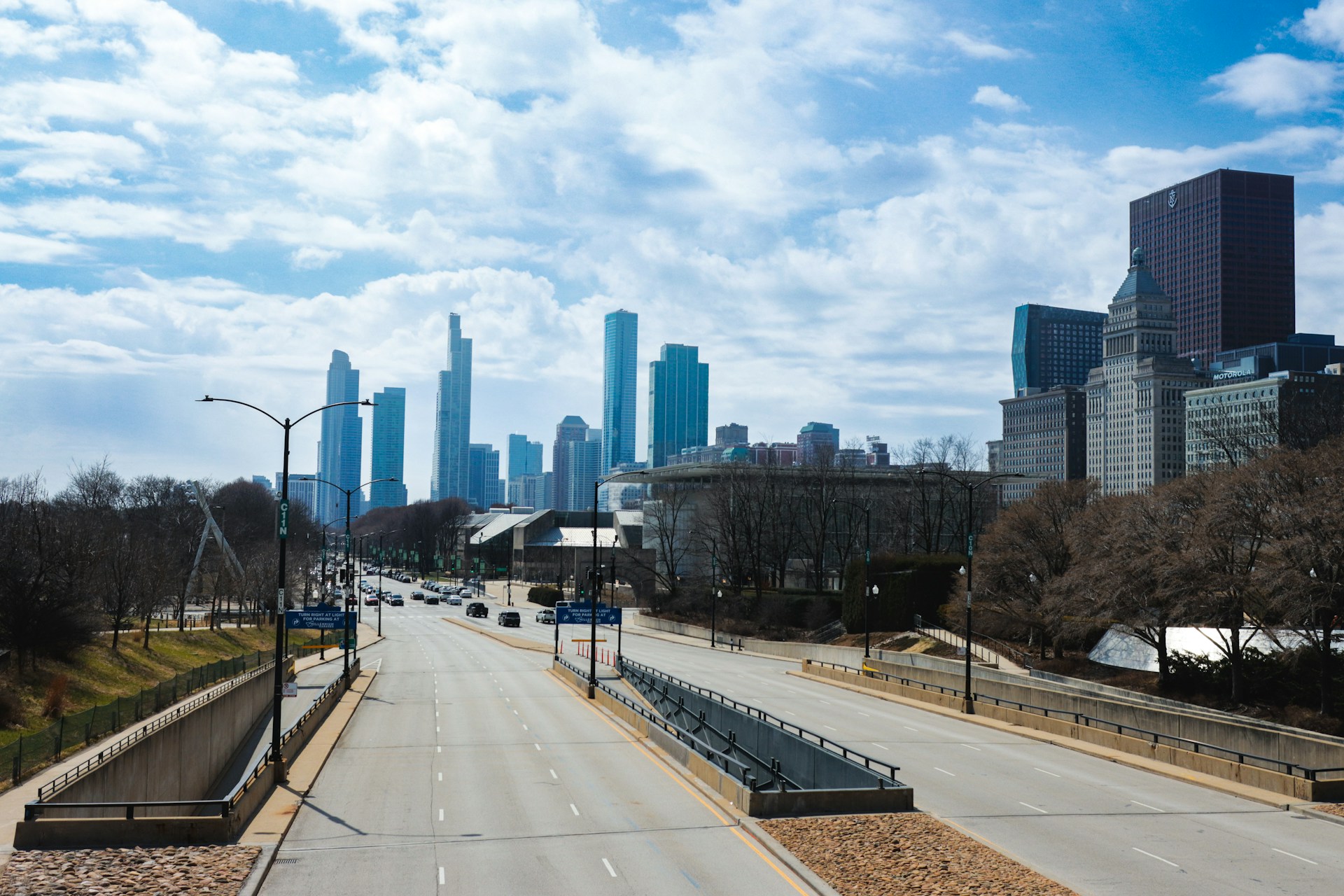
Relocating to downtown Columbus, OH can feel like a smart middle ground between big-city energy and an easy, friendly daily life. You get a true urban core with sports, culture, and skyline views, without the high stress and heavy prices of larger Midwest or coastal cities. It is busy enough to stay interesting, but small enough that you start to recognize faces on your block.
This guide is for people who want walkable city living with real practicality. That includes relocating professionals, medical and academic staff, remote workers who want a coffee shop office, and empty nesters ready to trade mowing the lawn for strolling to dinner. We will cover commute options, real parking tradeoffs, the micro-areas inside and around downtown, cost of living basics, and what you should tour and test before you sign a lease or purchase contract.
Getting Oriented: Downtown Columbus Micro-Areas
Downtown is not one single feel. It is a collection of smaller pockets, each with its own rhythm.
Arena District
Sports, office towers, and nightlife stack up in a tight, walkable area. You are close to games, concerts, and restaurants, and you can often walk to major employers.
- Housing: newer high-rise and mid-rise apartments, luxury condos, some townhomes
- Building age: mostly modern, with current amenities and elevators
- Noise: active in evenings and on event nights, quieter weekday mornings
Riverfront / Scioto Mile
This stretch hugs the river and parks, with paths for walking, running, or biking and great skyline views. Summer events and festivals often center here, but it still feels airy and open.
- Housing: high-rise and mid-rise condos and apartments, some with direct river views
- Best for: runners, cyclists, pet owners, people who love green space
- Daily feel: peaceful on weekday mornings, more activity on weekends
Discovery District
This area includes colleges, art schools, and libraries. It has a more laid-back, campus-style pace compared to the office-heavy blocks.
- Housing: a mix of mid-rise apartments, some loft conversions, smaller condo buildings
- Vibe: creative, academic, a bit quieter at night
- Fit: students, staff, remote workers who like a slower feel but still want downtown access
Downtown-Adjacent Neighborhoods
If you want city life but with more neighborhood charm, the areas wrapped around downtown may fit better:
- Short North: artsy, walkable, lined with shops, galleries, and restaurants
- German Village: brick streets, historic homes, cozy feel
- Victorian Village and Harrison West: tree-lined streets, historic homes, close to parks
- Grandview Heights: small-town main street feel with easy access to downtown
Here you will see more historic homes, lofts in converted buildings, and smaller condo communities. Noise levels are usually lower than right in the core, and many people like the balance of living in these neighborhoods while still being a quick drive, bike ride, or scooter ride from downtown offices.
Everyday Logistics: Commutes, Parking, and Getting Around
One of the biggest perks of relocating to downtown Columbus, OH is that your commute can shrink fast. Many residents walk to work, and if you live near Arena District or Riverfront, you might be minutes from major office buildings.
Common commute options include:
- Walking to downtown employers, especially if you keep your home search close to your office
- COTA bus routes that run through and around downtown and out to nearby neighborhoods
- Scooters and bikes, which work well on many city streets and paths
- Short rideshare trips for rainy or cold days
Weather plays a real role. Hot summers can make a long walk feel tiring, and icy winter days might push you toward the bus, rideshare, or driving. When you tour, think about how you want to commute in each season, not just on a perfect sunny afternoon.
Parking is a key detail to understand before you sign anything. Some downtown buildings include garage parking, others offer it for an extra fee, and some may rely on nearby public garages or surface lots. Street parking rules can change by block. You will want to ask about:
- Guest parking and how visitors handle event nights
- Snow emergency rules and where cars must move
- Any special restrictions on game or concert evenings
If you want to live car-light or car-free, downtown can support that, as long as you plan ahead. Check:
- Grocery store distance and how you will carry food home
- Gym, pharmacy, and bank options within your normal walking range
- How easy it is to get to Short North, German Village, and Grandview Heights by scooter, bike, or bus for social plans
Rideshare is widely used, and many people blend walking, bikes, scooters, and the bus into a flexible daily routine.
Cost of Living and Housing Expectations Downtown
Compared to larger coastal or Great Lakes cities, many people find that relocating to downtown Columbus, OH gives them more space and amenities for their housing budget. Compared to suburban Columbus, downtown housing can feel higher, but you may save on gas, commute time, and car use.
Your housing dollar will look different in each building type:
- Newer luxury high-rises: often include fitness centers, shared lounges, package rooms, and parking options
- Historic lofts: exposed brick, tall ceilings, and character, sometimes with fewer amenities but a unique feel
- Smaller boutique buildings: fewer units, more privacy, often a quieter lobby experience
If you are buying, you may see monthly HOA or condo fees that cover things like common spaces, building systems, and sometimes parking. For renters, some properties include extras in the base rent, while others break everything into separate charges.
Summer can be a busy season for moves, especially around June. Leasing offices and sellers may offer different incentives at different times of year. When relocating, it helps to:
- Start your search several weeks before your target move date
- Be clear about your must-haves, like in-unit laundry or secure parking
- Stay flexible on exact blocks or buildings so you can act quickly when a good option appears
What to Tour and Inspect Before You Sign Anything
Photos and floor plans never tell the full story. Before you commit, build a simple touring checklist.
Inside the building, pay attention to:
- Noise at different times of day, including traffic, bars, or stadium events
- Elevator speed and hallway condition, which hint at how well things are cared for
- Security and access systems, such as key fobs, call boxes, and cameras
- Package handling and mailroom setup, especially if you order online often
- Storage options for bikes, luggage, or seasonal gear
Look for red flags like strong odors, poor lighting, or staff who seem checked out, along with green flags such as clean common areas, clear signage, and responsive leasing or management teams. Always ask how parking really works in daily life, not just where you are allowed to park on move-in day.
Outside the building, do a small scouting tour:
- Walk your potential commute during the time you would normally leave and return
- Visit a nearby coffee shop, grocery store, and park
- Drive or ride the route to the airport if you travel often
- Check cell reception and ask about internet service options in the building
- Time trips to Short North, German Village, and Grandview Heights during evenings or weekends
The goal is simple: make sure the version of downtown you see on tour days matches the version you will live in on regular weekdays, lazy Sundays, and late nights when you get home. A little testing now can save a lot of stress after you move.
How Lofty Helps You Land the Right Downtown Home
As a Columbus-based REALTOR team focused on urban and luxury real estate, we spend our days inside the very buildings and neighborhoods you are considering. We understand how Arena District feels on a game night, which Discovery District streets stay quiet, and how different riverfront buildings handle parking, packages, and guests.
For relocating clients, we often blend virtual tours with detailed neighborhood fit talks, so you are not choosing a home based only on polished photos. We share on-the-ground insight about specific buildings, HOAs, and landlord reputations that you do not always see online. We can also help you compare living in the downtown core to nearby options like Short North, German Village, Victorian Village, Harrison West, and Grandview Heights, so you land in the spot that fits how you actually live, work, and relax.
Make Your Move To Downtown Columbus Simple And Confident
If you are considering Relocating to downtown Columbus, OH, we are ready to guide you through every step with clear, local insight. At Lofty - Joseph Speakman, we help you understand neighborhoods, housing options, and what day-to-day life really looks like downtown so you can choose with confidence. Reach out to contact us and we will help you create a relocation plan that fits your timeline, budget, and goals.Categories
Recent Posts







“My job is to find and attract mastery-based agents to the office, protect the culture, and make sure everyone is happy! ”